South Africa: Pretoria launches Vulindlela reform to open electricity, ports and rail to private competition
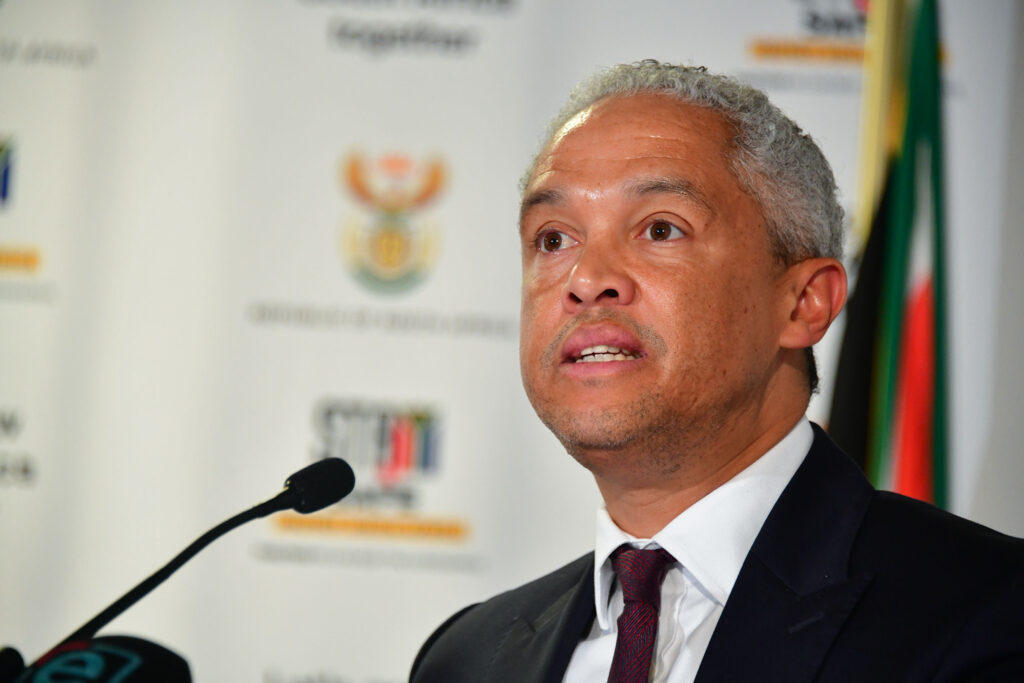
South Africa's electricity grid requires more than 100 billion rand in investment to be expanded and modernised, said Dr Duncan Pieterse, Director-General of the National Treasury, at Old Mutual Investment Group's 'Tomorrow' investment summit in Cape Town on Wednesday. According to SAnews.gov.za, these remarks form part of the stocktake of Operation Vulindlela (OV), a joint programme of the Presidency and the National Treasury dedicated to high-impact structural reforms. Pieterse recalled that the removal, in 2022, of the licensing requirement for private renewable energy producers triggered an influx of investment and helped end the country's electricity crisis. 'The constraint now lies in the national grid itself, which requires more than 100 billion rand in investment to be expanded and modernised,' he said, specifying that most of the financing would have to come from private investors. The National Transmission Company of South Africa, already a subsidiary of Eskom, must become a fully independent grid operator. The Cabinet approved the approach to unbundling Transnet's port authority. The ETA electronic visa system was launched in August, a new raw water pricing structure came into effect, and Transnet launched a call for qualification for a strategic partner on the manganese export corridor. These reforms aim to dismantle a century of state monopolies and attract private capital to finance infrastructure, with the objective of lowering electricity and transport costs. They aim to improve South Africa's logistics competitiveness.
SAnews.gov.za
The Vulindlela programme: an opening to competition
Operation Vulindlela (OV) was launched in South Africa to end decades of state monopolies and open markets to competition. This joint initiative of the Presidency and the National Treasury aims to stimulate economic growth and attract private investment in key sectors such as electricity, ports and rail. At a recent investment summit in Cape Town, the Director-General of the National Treasury, Dr Duncan Pieterse, stressed the importance of these reforms for the country's economic future. The electricity crisis that hit South Africa highlighted the need for a radical change in the way energy is produced and distributed. In 2022, the removal of the licensing requirement for private renewable energy producers enabled an influx of investment into the sector. This measure not only helped increase renewable energy generation capacity but also helped alleviate the electricity crisis. However, as Pieterse noted, the main obstacle now lies in the national grid, which requires more than 100 billion rand in investment for its modernisation and expansion.
Towards operational independence in the electricity sector
For the electricity market to be genuinely competitive, it is essential to establish a framework in which new private producers can access the grid on an equal footing with Eskom, the national electricity company. The National Transmission Company of South Africa has already been created as a subsidiary of Eskom. The objective is to transform it into an independent grid operator, capable of managing transmission assets and offering non-discriminatory access to the grid. This operational independence is fundamental to ensuring that electricity prices can decline over time, which could have positive repercussions for the South African economy. By allowing private producers to compete with Eskom, the government hopes not only to diversify energy sources but also to reduce costs for consumers and businesses.
Reforms in the transport and logistics sector
Reforms are not limited to energy. In the port sector, the Cabinet approved the approach to unbundling Transnet's port authority. This means that private terminal operators will also be able to enter the market, which should help reduce transport costs and improve South Africa's global competitiveness. In addition, the rail freight market has been opened to private operators, and the first private trains have begun testing the lines. This could transform logistics in South Africa by enabling greater flexibility and improved services for businesses that depend on rail transport.
Other key reforms and impact on the economy
Other important measures have also been implemented under Operation Vulindlela. For example, the ETA electronic visa system was launched in August, and a new raw water pricing structure came into effect. In terms of water management, progress has been made in implementing the National Water Action Plan. These reforms aim to create a more attractive economic environment for investors by improving transparency and reducing operating costs. By removing barriers to entry for private players, the South African government hopes to stimulate the economy and foster sustainable growth.
What this changes
For an African entrepreneur or investor, these reforms represent a significant opportunity. Opening key sectors such as electricity and transport to competition could reduce operating costs and improve access to essential infrastructure. For an SME, this potentially means lower electricity bills and more competitive transport costs, which can improve profitability and long-term viability. In addition, South Africa's growing appeal as an investment destination could open new avenues for partnerships and collaborations, both locally and internationally. Source: SAnews.gov.za
---
Translated from the French original : [Afrique du Sud : Pretoria lance la réforme Vulindlela pour ouvrir électricité, ports et rail à la concurrence privée](/article/28adf136-707c-4d10-a43c-4d5b0f4d3a1f)
Source : SAnews.gov.za
Lire l'article original ↗