Carbon credits: African cotton farmers could soon be paid twice
Cotton remains a strategic cash crop for several African economies - Benin, Burkina Faso, Mali, Côte d'Ivoire, Chad - where millions of small producers depend on this export sector, which is subject to the vagaries of world prices. Against this backdrop, the idea of financially valuing the carbon stored in agricultural soils is gaining ground, driven by the growth of voluntary carbon markets. According to Bird Story Agency, reported by AllAfrica, a scheme tested in Uzbekistan would allow farmers to receive a dual income: that from the sale of cotton fibre, and that generated by the carbon sequestered in the soil of their plots. The source dispatch, which is very brief, however, specifies neither the name of the programme, nor the actors behind it (institution, NGO, private company), nor the amounts or volumes of credits involved, nor the technical arrangements for certifying the carbon. For African producers, such a mechanism would represent a welcome diversification of often precarious rural incomes. But its transposition from Uzbekistan - whose cotton sector is largely state-controlled - to African contexts dominated by smallholdings raises unresolved questions: who would finance certification, how can soil carbon be reliably measured, and at what price would these credits be valued on voluntary markets known for their volatility and the controversies over their actual additionality?
isaaakc
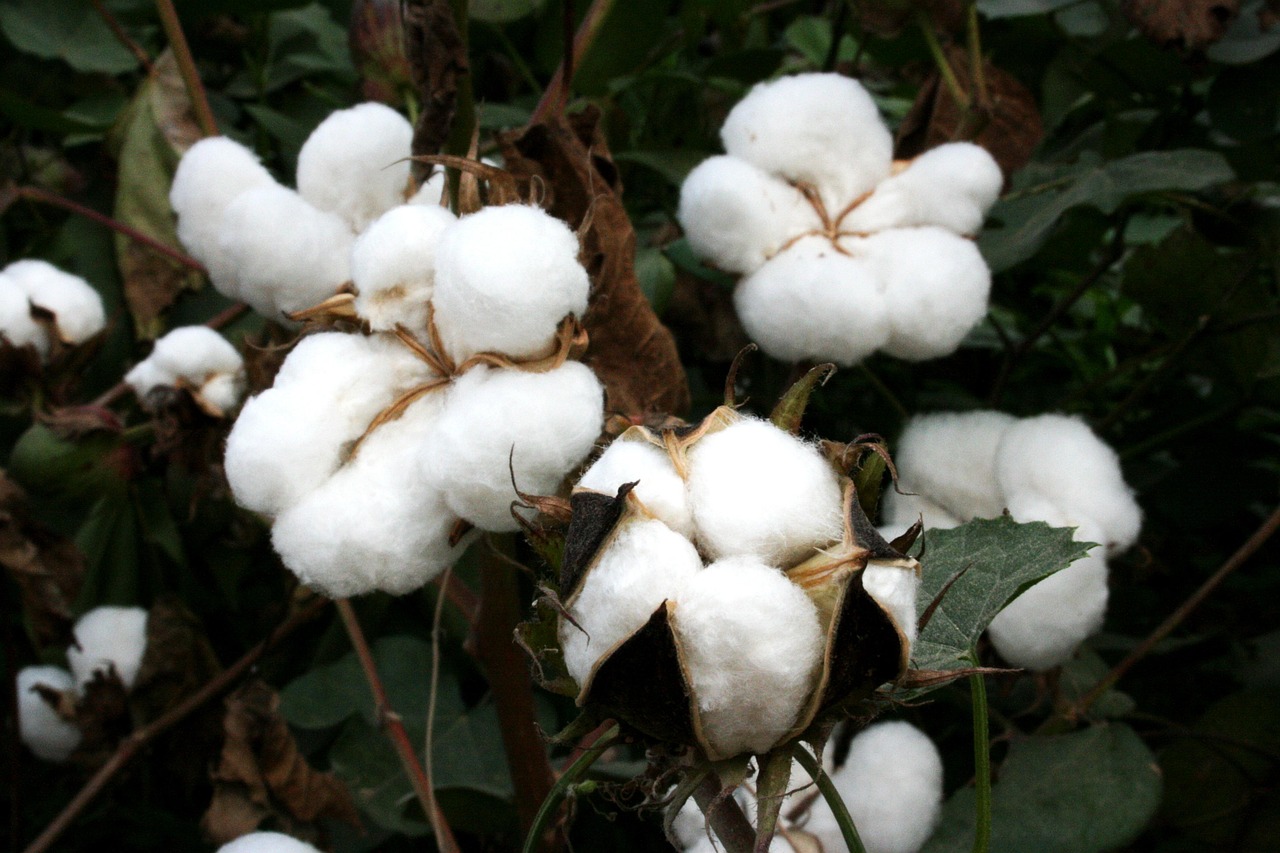
Cotton, a strategic crop for Africa
Cotton remains a strategic cash crop for several African economies - Benin, Burkina Faso, Mali, Côte d'Ivoire, Chad - where millions of small producers depend on this export sector, which is subject to the vagaries of world prices. Against this backdrop, the idea of financially valuing the carbon stored in agricultural soils is gaining ground, driven by the growth of voluntary carbon markets. This mechanism could offer farmers a new source of income, in addition to the sale of their cotton production.
A model inspired by Uzbekistan
According to information reported by Bird Story Agency, a scheme tested in Uzbekistan would allow farmers to receive a dual income: that from the sale of cotton fibre, and that generated by the carbon sequestered in the soil of their plots. The source dispatch, however, specifies neither the name of the programme, nor the actors behind it (institution, NGO, private company), nor the amounts or volumes of credits involved, nor the technical arrangements for certifying the carbon. Indeed, the Uzbek cotton sector is largely state-controlled, which differs from African contexts where smallholdings predominate. Implementing such a mechanism in Africa would require significant adjustments to adapt to local realities.
Questions to resolve
Transposing this model raises several crucial questions. First, who would finance the certification of carbon credits? Certification is an essential step to guarantee that sequestered carbon is measured reliably and that credits can be valued on the market. In addition, how can soil carbon be measured accurately on farms that are often fragmented and small in size? Voluntary markets are known for their volatility, and controversies over their additionality add a layer of complexity to this system.
Income diversification
For African producers, the introduction of carbon credit mechanisms could represent a welcome diversification of their often precarious incomes. By integrating the sale of carbon credits into their business model, they could mitigate the risks associated with dependence on a single product. However, this opportunity must be carefully assessed and supervised to avoid abuses. Farmers will also need to be trained and informed about the issues linked to carbon sequestration and the management of their soils. This requires institutional support and solid partnerships with actors capable of guaranteeing the certification and sale of credits.
What this changes
For an African SME or investor, the emergence of carbon credit mechanisms in the cotton sector could mean new opportunities for investment and diversification. This could also encourage more sustainable agricultural practices, thereby fostering the transition to a greener economy. However, it is essential to navigate this new space with caution, taking into account the challenges of certification and valuation on the markets. Source: AllAfrica (Bird Story Agency)
---
Translated from the French original : [Crédits carbone : les cultivateurs de coton africains pourraient bientôt être payés deux fois](/article/9ac92fba-0dcb-40fc-bfa1-4f1552821f4b)
Source : AllAfrica (Bird Story Agency)
Lire l'article original ↗