South Africa: Ramaphosa grants 3.5% to 4% salary increases to public office bearers for 2026/27
The South African President Cyril Ramaphosa has set salary increases of between 3.5% and 4% for public office bearers for the 2026/27 financial year, effective from 1 April 2026. According to a statement from the Presidency published on Tuesday, this decision follows the recommendations of the Independent Commission for the Remuneration of Public Office Bearers, a constitutionally mandated body responsible for proposing each year the salaries, allowances and benefits of public officials. The 3.5% increase applies to members of the national Executive, members of the National Assembly, permanent delegates to the National Council of Provinces, provincial Premiers and members of provincial executives and legislatures. A 4% increase benefits judges of the Constitutional Court, magistrates of other courts, traditional leaders, members of the National and Provincial Houses of Traditional and Khoi-San Leaders, as well as members of independent constitutional institutions. The Commission based its recommendations on stakeholder contributions, fiscal sustainability, historical and projected inflation, wage negotiation data and its own previous determinations, taking into account the “serious economic challenges” facing the country. Mr Ramaphosa thanked the Commission and, according to the Presidency, “urges public office bearers to honour their mandates and the public trust associated with their various responsibilities”.
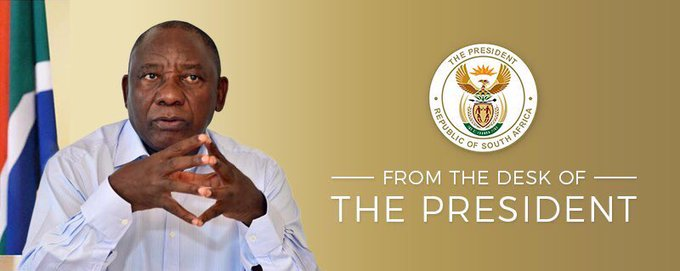
SAnews.gov.za
Economic context and salary decisions in South Africa
The South African President Cyril Ramaphosa has set salary increases of between 3.5% and 4% for public office bearers for the 2026/27 financial year, effective from 1 April 2026. This decision, which forms part of the 2026/27 financial year, provides for increases of 3.5% for the majority of public office bearers, while a 4% increase benefits judges of the Constitutional Court, magistrates of other courts, traditional leaders, members of the National and Provincial Houses of Traditional and Khoi-San Leaders, as well as members of independent constitutional institutions. These salary adjustments are the result of recommendations from the Independent Commission for the Remuneration of Public Office Bearers, a constitutional body responsible for proposing each year recommendations on the salaries and allowances of public officials. This salary review process comes in a difficult economic context for South Africa, where the country faces “serious economic challenges”. The Commission took into account various factors in establishing its recommendations, including stakeholder contributions, fiscal sustainability, historical and projected inflation, wage negotiation data and its own previous determinations. This process underlines the importance of accountability and transparency in the management of public finances, especially in an environment where public trust is essential.
The implications of these salary increases
The salary increases decided by President Ramaphosa are intended not only to compensate for inflation but also to maintain a degree of stability within public institutions. Indeed, the 3.5% increase applies to members of the national Executive, members of the National Assembly, permanent delegates to the National Council of Provinces, provincial Premiers and members of provincial executives and legislatures, which could be perceived as an attempt to strengthen the motivation and commitment of public officials in the face of economic challenges. For judges and magistrates, the 4% increase can be interpreted as recognition of their crucial role in maintaining the rule of law and justice. Traditional leaders and members of independent constitutional institutions also play a key role in mediating relations between the State and local communities.
An approach based on fiscal sustainability
The Commission clearly indicated that its recommendations were based on an in-depth analysis of the country's economic situation. Taking into account fiscal sustainability, historical and projected inflation, wage negotiation data and its own previous determinations, it sought to establish a balance between the need to increase salaries and the reality of public finances. This approach is all the more important in a country where resources are limited and where citizens' expectations regarding public services are high. President Ramaphosa thanked the Commission for its work and, according to the Presidency, “urges public office bearers to honour their mandates and the public trust associated with their various responsibilities”.
What this changes
For an African entrepreneur or investor, these salary increases may have several implications. On the one hand, they may contribute to greater stability within public institutions, which is essential for a healthy business environment. On the other hand, an increase in the salaries of public officials may also influence economic and fiscal policies, potentially leading to adjustments in public spending and investment. For an SME, this means it is crucial to remain attentive to developments in public policy and resource management, as they may have a direct impact on market dynamics and business opportunities. Source: SAnews.gov.za
---
Translated from the French original : [Afrique du Sud : Ramaphosa accorde des hausses de salaire de 3,5% à 4% aux responsables publics pour 2026/27](/article/d7c92290-3a90-4dd8-a3db-d067053ec5b1)
Source : SAnews.gov.za
Lire l'article original ↗