South Africa: Minister confirms Eskom’s submission of a 5,200 MW nuclear feasibility programme, promising science-based consultation
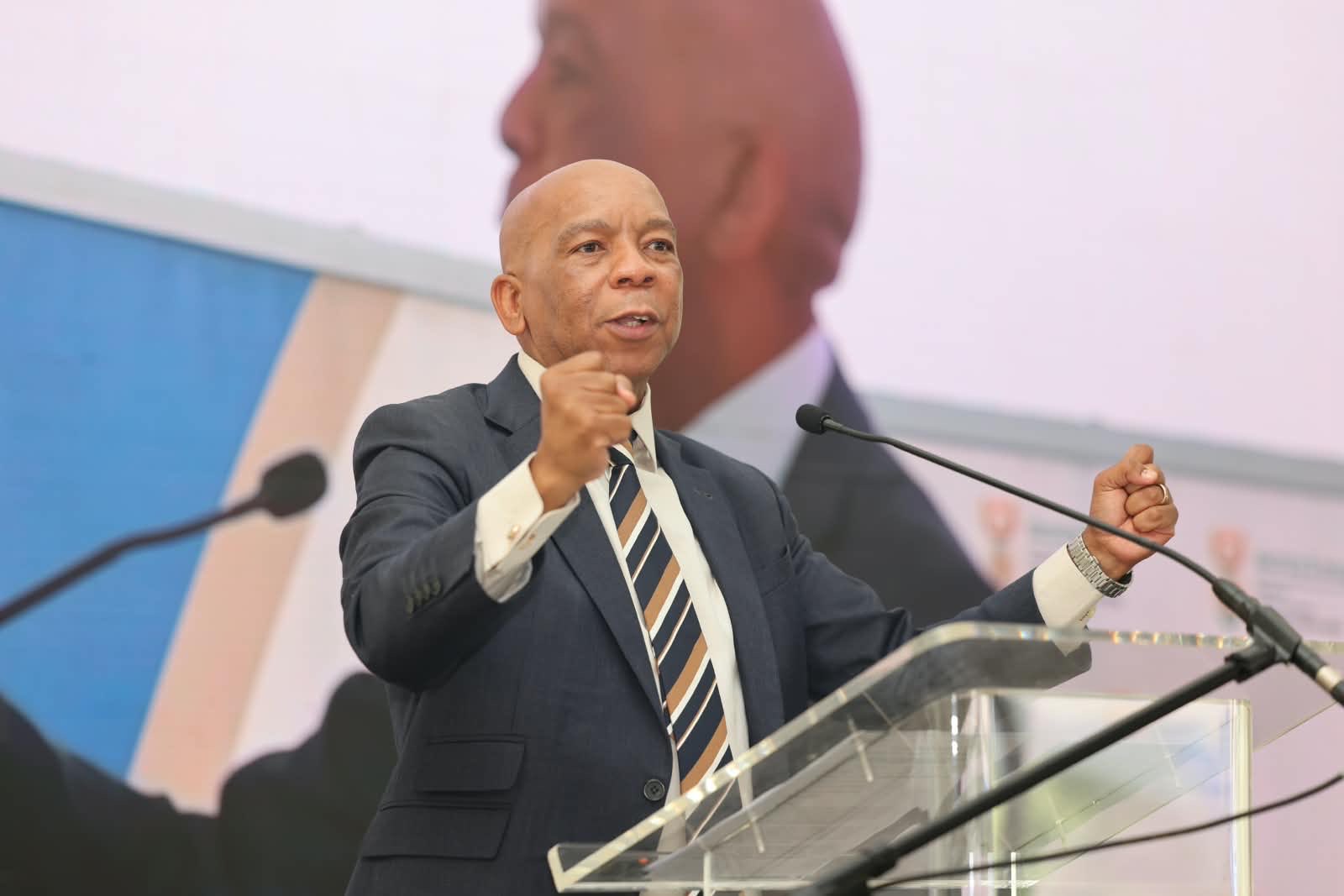
Eskom, South Africa’s public electricity operator, has submitted its feasibility programme for additional nuclear capacity of 5,200 MW, in accordance with the Integrated Resource Plan (IRP) 2025. The announcement was confirmed by the Minister of Electricity and Energy, Dr Kgosientsho Ramokgopa, at the South African Nuclear and Clean Energy Conference, held under the theme “Transitioning from Policy to Execution”. According to SAnews.gov.za, the Minister said that his department is preparing a “determination” for public consultation, a statutory step triggering the tender procedure. The National Nuclear Regulator (NNR) will retain independent authority over safety and licensing, while the National Nuclear Energy Policy designates Eskom as owner and operator, with the possibility of public-private partnership. Ramokgopa acknowledged a critical skills deficit: “We have not built a nuclear power plant for around 50 years”, with Koeberg teams knowing only how to operate an existing plant, not how to build a new one. He cited the Kusile and Medupi coal-fired plant construction projects as a “model of what not to do”. The government is relying on international partnerships to train a pipeline of local engineers as the first reactors are built. Eskom’s coal fleet will be reviewed plant by plant, with some units able to extend their operation and others set for retirement. For manufacturing industry and investors, the availability and cost of electricity directly determine the expansion of production. The trajectory will depend less on the political announcement than on...
SAnews.gov.za
Eskom and the nuclear feasibility programme: a crucial step for South Africa
Eskom, South Africa’s public electricity operator, has recently submitted a feasibility programme for additional nuclear capacity of 5,200 MW, in accordance with the Integrated Resource Plan (IRP) 2025. This announcement was made by the Minister of Electricity and Energy, Dr Kgosientsho Ramokgopa, at the South African Nuclear and Clean Energy Conference, held under the theme “Transitioning from Policy to Execution”. The Minister stressed that public consultation on this initiative will be based on scientific evidence and not ideological bias, an approach that could mark a turning point in how energy projects are managed in South Africa. The Minister said that his department is preparing a “determination” that will be submitted to public consultation. This step is essential because it triggers the tender procedure for the development of the new nuclear capacity. The National Nuclear Regulator (NNR) will retain independent authority over safety and licensing, thereby ensuring that safety standards will be respected throughout the process. The National Nuclear Energy Policy designates Eskom as the owner and operator of nuclear power plants, while allowing public-private partnerships.
A skills challenge to overcome
Dr Ramokgopa also addressed the crucial issue of the skills deficit in the nuclear sector, noting that South Africa has not built a nuclear power plant for nearly 50 years. The Koeberg teams, which manage an existing plant, do not have the experience needed to build a new one. This skills gap represents a risk inherent in the nuclear construction programme. To address it, the government is relying on international partnerships to train a pipeline of local engineers as the first reactors are built. The Minister drew lessons from past projects, in particular the Kusile and Medupi coal-fired plant construction projects, which he described as a “model of what not to do”. This willingness to learn from past mistakes could be an asset in implementing the nuclear programme, provided that the lessons are actually applied on the ground.
The importance of electricity for the economy
The availability and cost of electricity are determining factors for the expansion of manufacturing industry and for attracting investment in South Africa. The Minister stressed that South Africa needs enough electricity for the economy we intend to build. This implies enabling manufacturers to expand their production, attracting new investment and ensuring affordable access to electricity for households. An economy with insufficient electricity capacity suffers negative consequences, including higher supply costs and reduced production and investment opportunities. Eskom’s nuclear programme aims to meet these challenges by diversifying energy sources and providing a reliable, low-carbon alternative.
A diversified energy future
Minister Ramokgopa also raised the possibility of coexistence between Eskom’s coal fleet and the new nuclear capacity. The government, in collaboration with Eskom, will review each coal-fired plant to determine whether some can extend their operation or whether others should be retired. This pragmatic approach aims to maximise the efficiency of the energy system while respecting environmental requirements. The case for adding nuclear is that it is reliable, low-carbon and cost-effective. The transition to cleaner, more diversified energy could also strengthen the country’s position in the global energy market.
What this changes
For an African entrepreneur or investor, this Eskom initiative could mean an opportunity to access more reliable and potentially less costly energy over the long term. The successful implementation of this programme could boost investor confidence and foster an environment conducive to business expansion. In addition, training a new generation of local engineers could also open up prospects for innovation and development in the energy sector and beyond. Source: SAnews.gov.za
---
Translated from the French original : [Afrique du Sud : Le ministre confirme la soumission par Eskom d'un programme de faisabilité nucléaire de 5 200 MW, promettant une consultation fondée sur la science](/article/e76d7b00-d3c9-44f6-8a98-5bce452cb61f)
Source : SAnews.gov.za
Lire l'article original ↗