South Africa: 2026 growth revised to 1.2%, Pretoria bets on State capacity
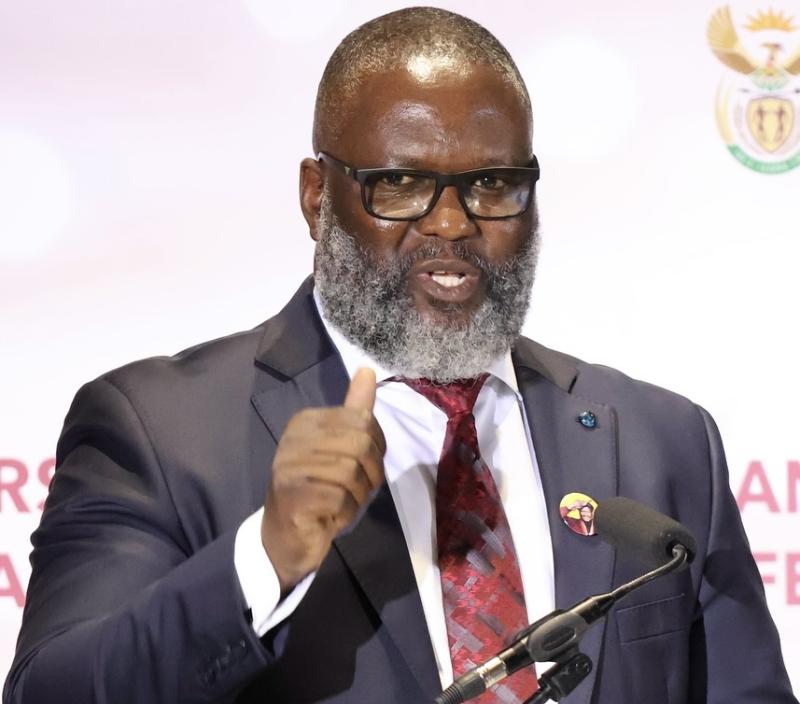
The South African government has revised down its growth projection for 2026 to 1.2%, announced Mzamo Buthelezi, Minister of Public Service and Administration, in Centurion, at the opening of the 2026 edition of the Economic Governance School. According to SAnews.gov.za, the programme, under the theme "Strengthening the State's adaptive capacity for inclusive growth in an era of global disruptions", has recorded 272 cumulative participations by senior African civil servants since its launch in 2020, giving rise to bilateral and trilateral collaborations on the continent. Mzamo Buthelezi recalled that South Africa's seventh administration rests on three priorities: "driving inclusive economic growth and job creation, reducing poverty and the high cost of living, and building a capable, ethical and developmental State". He insisted: "our citizens do not experience government through policy documents. They experience it through the availability of water, the reliability of electricity, functional roads, access to health, education, employment and the responsiveness of public institutions".
SAnews.gov.za
Growth revised downwards for South Africa
The South African government has announced a downward revision of its economic growth projection for 2026, now set at 1.2%. The announcement was made by Mzamo Buthelezi, Minister of Public Service and Administration, at the opening of the Economic Governance School programme held in Centurion. The programme, under the theme "Strengthening the State's adaptive capacity for inclusive growth in an era of global disruptions", has recorded 272 cumulative participations by senior African civil servants since its launch in 2020. In a context where African economies face varied challenges, Buthelezi stressed the importance of building state institutions capable of responding to current economic issues. He highlighted geopolitical transformations, changes in international trade and climate change as factors with a direct impact on the cost of living, public finances and employment.
The priorities of the South African administration
Buthelezi recalled that South Africa's seventh administration rests on three priorities: "driving inclusive economic growth and job creation, reducing poverty and the high cost of living, and building a capable, ethical and developmental State". The minister insisted: "our citizens do not experience government through policy documents. They experience it through the availability of water, the reliability of electricity, functional roads, access to health, education, employment and the responsiveness of public institutions".
A call for regional cooperation
Buthelezi stressed that the discussions held during this programme should not be seen as separate technical debates, but as dimensions of an overarching objective: building States capable of making sound economic decisions and mobilising the resources needed to turn development strategies into concrete results.
The importance of adaptive governance
Faced with geopolitical uncertainty, climate change and rapidly evolving technologies, Buthelezi insisted on the importance of adapting governance. Institutions must become more anticipatory and responsive, able to adjust to emerging circumstances while keeping long-term development objectives in mind. This implies an integrated approach from government and society, essential for effectively addressing the complex challenges of development. Over the coming days, the school will focus on key areas such as the green economy, industrialisation, African Continental Free Trade Area, revenue mobilisation, digital transformation, and strengthening State capability through innovation and productivity.
What this changes
For an African entrepreneur or investor, this growth revision and the emphasis on State capacity may imply increased vigilance regarding the stability and responsiveness of public institutions. In other words, the State's ability to deliver basic services and to create a business-friendly environment will be decisive for the success of economic initiatives. Businesses must therefore anticipate a period in which regional collaboration and a commitment to ethical and effective governance will be key factors for navigating a changing economic landscape. Source: SAnews.gov.za
---
Translated from the French original : [Afrique du Sud : croissance 2026 revue à 1,2%, Pretoria mise sur la capacité de l'État](/article/eceddf79-0e23-458f-91f5-22c1eed371e6)
Source : SAnews.gov.za
Lire l'article original ↗