Côte d'Ivoire: ARTI bans digital platform matchmaking for two- and three-wheeler transport
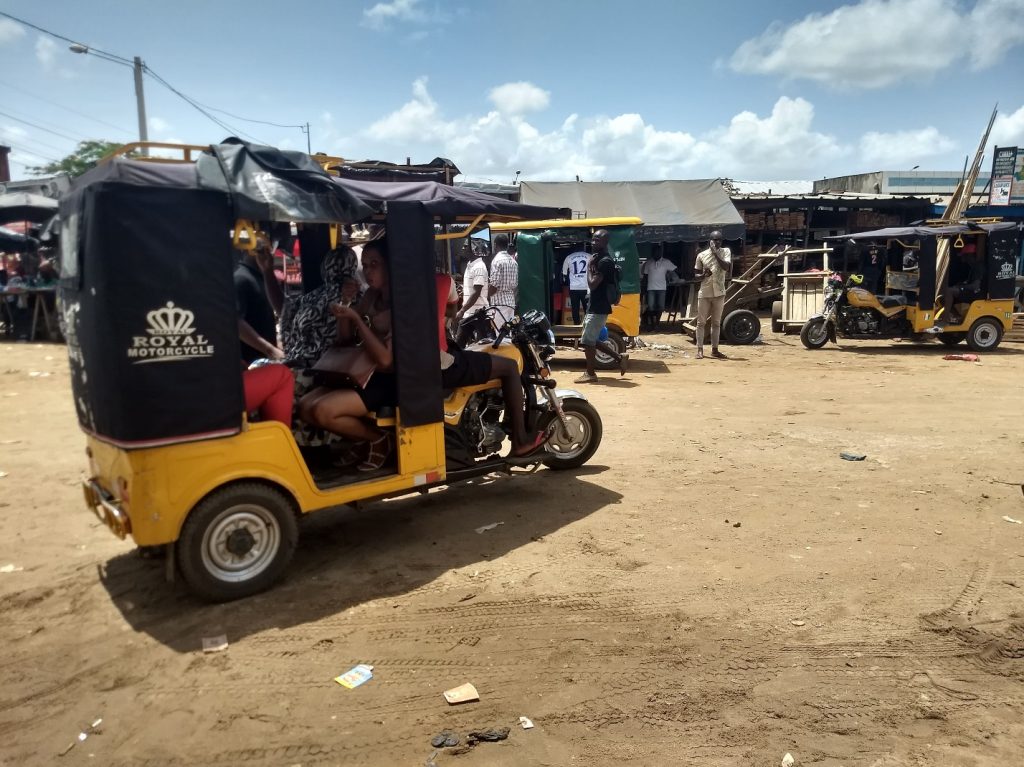
In a press release dated September 22, 2026, the Autorité de Régulation du Transport Intérieur (ARTI) formally banned matchmaking via digital platforms for passenger transport aboard two- or three-wheeled vehicles, deeming this activity "unauthorized" under current Ivorian regulations. The authority has instructed concerned operators to refrain from offering, promoting, registering drivers, or facilitating any matchmaking for this type of transport. It clarified that provisional operating authorizations previously granted to certain operators for a twelve-month period are subject to specific conditions and do not constitute an automatic extension to other modes of transport. ARTI was established by law no. 2014-812 of December 16, 2014, on domestic transport orientation. As an independent administrative authority, it oversees regulatory compliance, regulates sector stakeholders, and sanctions violations, unlike the Ministry of Transport, which drives public policy. This reprimand comes amid a backdrop of strict regulation within the two- and three-wheeler transport sector. By strictly framing the scope of provisional authorizations, ARTI aims to prioritize road safety.
📖 Full article available in French → [Côte d'Ivoire : l'ARTI interdit la mise en relation via plateformes numériques pour le transport à deux et trois roues](/article/dbb70fa4-d3d4-4270-ac70-0e9aeb6af1d3)
Source : RTI Info (Radiodiffusion Télévision Ivoirienne)
Lire l'article original ↗À lire également

Côte d'Ivoire : Air France, actionnaire et concurrente d'Air Côte d'Ivoire, un paradoxe dénoncé par Ahoua Don Mello
Air Côte d'Ivoire a vu ses fréquences hebdomadaires sur la liaison Abidjan-Paris passer de sept à huit à compter du 29 mars 2026, contre 21 fréquences hebdomadaires cumulées…
Lire la suite
CEA : l'institution plaide pour une fiscalité des TIC mieux calibrée pour booster le numérique africain
La Commission économique pour l'Afrique (CEA) a réuni 144 participants issus de 46 pays, dont 34 pays africains et 12 pays d'autres régions, lors d'un atelier en ligne tenu le 17…
Lire la suite