Senegal: The Collapse of Foreign Direct Investment Raises Concerns
Since 2020, Senegal had been on an upward trajectory for foreign direct investment (FDI), driven notably by the Sangomar oil and Grand Tortue Ahmeyim (GTA) gas mega-projects, before a major political shift in March 2024 with the election of Bassirou Diomaye Faye. It is against this backdrop that Professor Amath Ndiaye (FASEG-UCAD) is sounding the alarm over the latest figures from UNCTAD's World Investment Report 2026. According to these data, FDI inflows rose from $1.846 billion in 2020 to a peak of $4.790 billion in 2023, before falling back to $3.319 billion in 2024, and then collapsing to just $337 million in 2025—representing a drop of over 90% in one year. This contraction is alarming as it comes in the wake of revelations about the former regime's hidden debt and tensions with international creditors, which have weighed on investor confidence. For the state, this means less foreign exchange and external financing for infrastructure; for local businesses, a slowdown in partnerships. From an analytical standpoint, two interpretations combine: on the one hand, the logical end of the investment phase for oil and gas mega-projects now in production, which mechanically reduces capital needs; on the other hand, a governance and country-risk perception factor, set against a global backdrop of high interest rates and increased caution toward emerging markets.

Sweder Breet
📖 Full article available in French → [Sénégal : l'effondrement des investissements directs étrangers interpelle](/article/c6083b6e-ae97-44ec-b437-ad3d4ef11ca5)
Source : Financial Afrik
Lire l'article original ↗À lire également
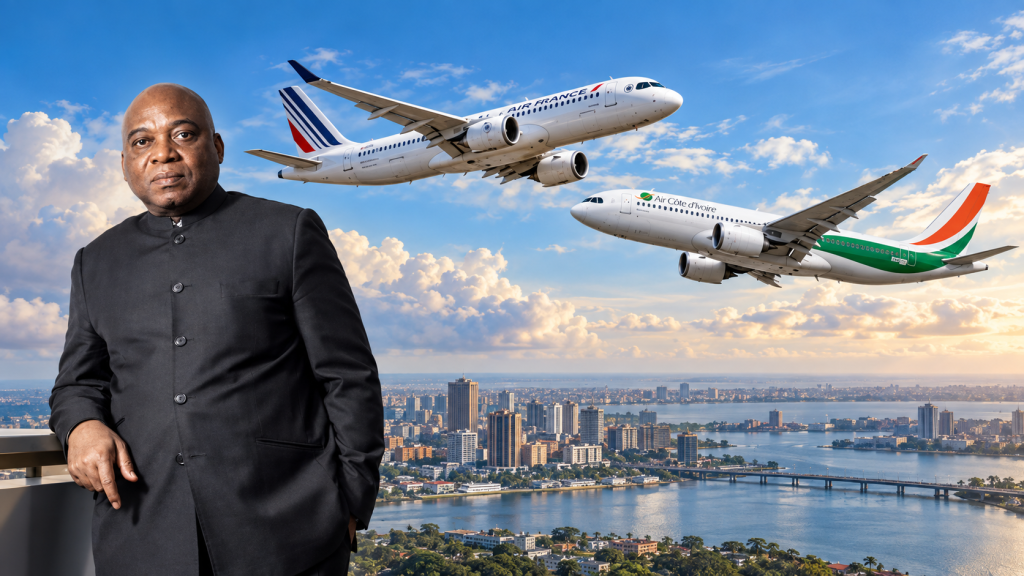
Côte d'Ivoire : Air France, actionnaire et concurrente d'Air Côte d'Ivoire, un paradoxe dénoncé par Ahoua Don Mello
Air Côte d'Ivoire a vu ses fréquences hebdomadaires sur la liaison Abidjan-Paris passer de sept à huit à compter du 29 mars 2026, contre 21 fréquences hebdomadaires cumulées…
Lire la suite
CEA : l'institution plaide pour une fiscalité des TIC mieux calibrée pour booster le numérique africain
La Commission économique pour l'Afrique (CEA) a réuni 144 participants issus de 46 pays, dont 34 pays africains et 12 pays d'autres régions, lors d'un atelier en ligne tenu le 17…
Lire la suite