Madagascar: Culture and Heritage as New Drivers of Growth
For several decades, Madagascar's arts, culture, and history have remained on the sidelines of the country's economic and tourism priorities, despite an exceptional legacy left by the Merina kingdom and a prolific contemporary arts scene. According to African Business in its August 7, 2026 edition, this situation could change: the media outlet highlights a major heritage reconstruction—likely linked to the Rova d'Antananarivo, the former royal palace destroyed by fire in 1995—as well as the development of private art collections open to the public, as new assets for the country's appeal. The very concise source provides no precise figures, identified stakeholder quotes, or detailed timeline for these projects. Nevertheless, it asserts that this heritage could fuel new growth opportunities for the island. For Madagascar, whose economy remains dependent on agriculture, textiles, and nature tourism, promoting historical and artistic heritage represents a potential avenue for diversification, capable of generating jobs, foreign currency, and cultural influence, provided it is accompanied by investments in conservation. From an analytical perspective, the success of this strategy will depend on internal factors—political stability, public and private financing, cultural governance—and external factors, such as regional tourist flows and competition from other African destinations banking on their heritage.

Guillermo Suarez
📖 Full article available in French → [Madagascar : la culture et le patrimoine, nouveaux leviers de croissance](/article/37703926-3463-46ee-96b9-58785d9a2aed)
Source : African Business
Lire l'article original ↗À lire également
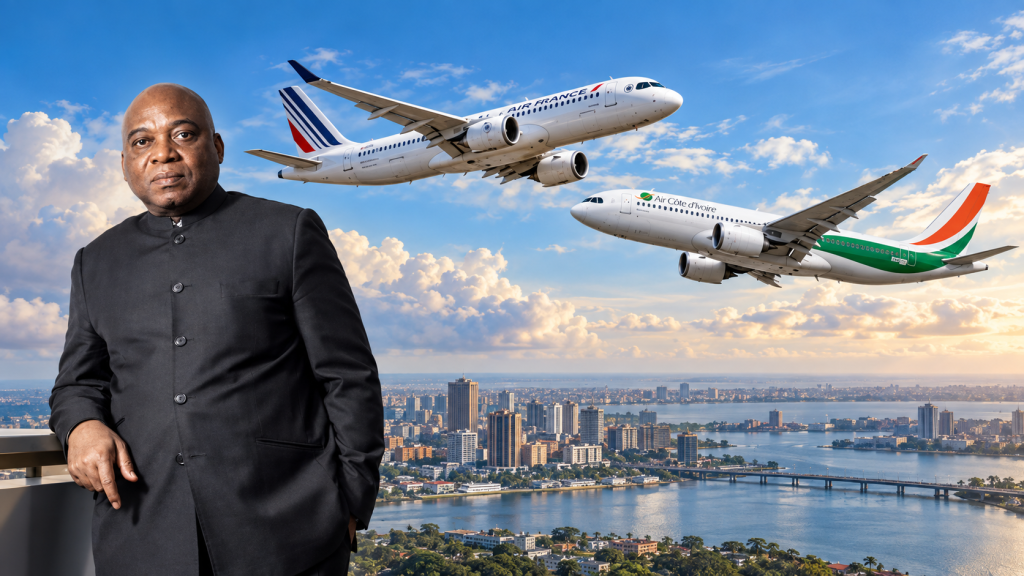
Côte d'Ivoire : Air France, actionnaire et concurrente d'Air Côte d'Ivoire, un paradoxe dénoncé par Ahoua Don Mello
Air Côte d'Ivoire a vu ses fréquences hebdomadaires sur la liaison Abidjan-Paris passer de sept à huit à compter du 29 mars 2026, contre 21 fréquences hebdomadaires cumulées…
Lire la suite
CEA : l'institution plaide pour une fiscalité des TIC mieux calibrée pour booster le numérique africain
La Commission économique pour l'Afrique (CEA) a réuni 144 participants issus de 46 pays, dont 34 pays africains et 12 pays d'autres régions, lors d'un atelier en ligne tenu le 17…
Lire la suite