Madagascar faces the megawatt challenge: between energy hopes and frustrations
Madagascar, the world's fourth largest island, remains one of the African countries with the most limited access to electricity, a structural handicap that has hampered industrialization, agriculture, and household daily life for years. It is against this backdrop that African Business published an article on July 29, 2026, entitled 'Hope and frustration in Madagascar's mission for megawatts', highlighting both acute power shortages and signs of a possible acceleration in electrification. The very short source dispatch provides no installed capacity figures, names of public or private actors, or official quotes. It merely states that 'the island is facing severe electricity shortages' while noting that 'some signs indicate that the pace of electrification could accelerate'. For households, local businesses, and investors drawn to the Great Island's hydroelectric and solar potential, the availability of megawatts directly determines competitiveness and the country's ability to attract capital in industry or tourism. Lacking numerical data, the true scale of the announced progress remains an open question: which projects, what additional capacity, which actors involved? Sankofa Finance will follow this story as soon as more detailed information becomes available.

Noah Grossenbacher
📖 Full article available in French → [Madagascar face au défi des mégawatts : entre espoirs et frustrations énergétiques](/article/0f3bca3b-44a5-4662-8623-6c5e24d887b1)
Source : African Business
Lire l'article original ↗À lire également
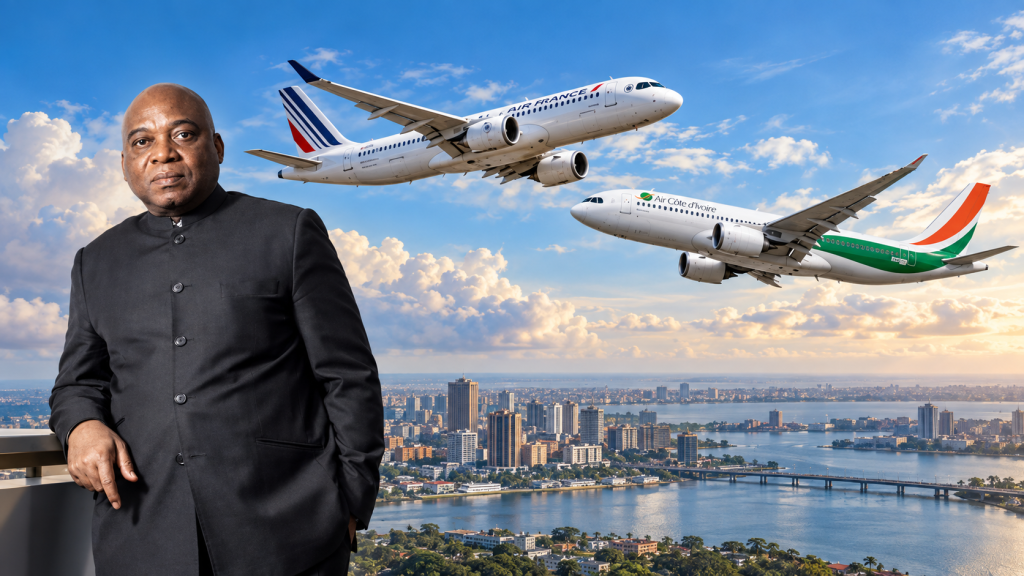
Côte d'Ivoire : Air France, actionnaire et concurrente d'Air Côte d'Ivoire, un paradoxe dénoncé par Ahoua Don Mello
Air Côte d'Ivoire a vu ses fréquences hebdomadaires sur la liaison Abidjan-Paris passer de sept à huit à compter du 29 mars 2026, contre 21 fréquences hebdomadaires cumulées…
Lire la suite
CEA : l'institution plaide pour une fiscalité des TIC mieux calibrée pour booster le numérique africain
La Commission économique pour l'Afrique (CEA) a réuni 144 participants issus de 46 pays, dont 34 pays africains et 12 pays d'autres régions, lors d'un atelier en ligne tenu le 17…
Lire la suite