Egypt: Suez Canal revenues rise in the second quarter of 2026
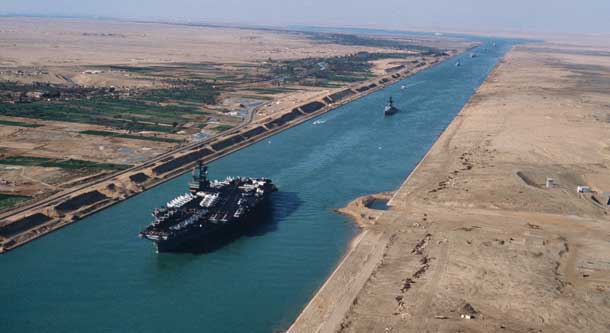
The Suez Canal, a maritime artery linking the Mediterranean to the Red Sea and historically used by about 12% of global trade, has faced a major crisis since late 2023: Houthi rebel attacks on merchant traffic in the Red Sea have pushed many shipowners to bypass the route via the Cape of Good Hope, depriving Egypt of billions of dollars in foreign exchange revenues—a crucial resource for a country facing persistent pressure on its balance of payments and currency. According to the headline in Financial Afrik, canal revenues reportedly increased in the second quarter of 2026, which, if confirmed, would mark a milestone in the normalization of regional maritime traffic. However, the detailed content of the article, including precise figures, statements from Suez Canal Authority (SCA) officials, and comparisons with previous quarters, is not accessible in the consulted source, which is reserved for subscribers. For Egypt, any sustainable recovery in canal revenues would be a positive signal for its foreign exchange reserves and its ability to service its external debt. It remains to be seen to what extent this increase reflects an actual return of large container ships to the Red Sea or other factors, a question that only reading the full original article could resolve.
📖 Full article available in French → [Égypte : les recettes du canal de Suez grimpent au deuxième trimestre 2026](/article/7cbac27c-c3b4-4d39-b2bd-e4580f063c15)
Source : Financial Afrik
Lire l'article original ↗À lire également

Côte d'Ivoire : Air France, actionnaire et concurrente d'Air Côte d'Ivoire, un paradoxe dénoncé par Ahoua Don Mello
Air Côte d'Ivoire a vu ses fréquences hebdomadaires sur la liaison Abidjan-Paris passer de sept à huit à compter du 29 mars 2026, contre 21 fréquences hebdomadaires cumulées…
Lire la suite
CEA : l'institution plaide pour une fiscalité des TIC mieux calibrée pour booster le numérique africain
La Commission économique pour l'Afrique (CEA) a réuni 144 participants issus de 46 pays, dont 34 pays africains et 12 pays d'autres régions, lors d'un atelier en ligne tenu le 17…
Lire la suite