CEMAC: A $10.2 Billion Trade Surplus with China That Conceals Internal Fractures
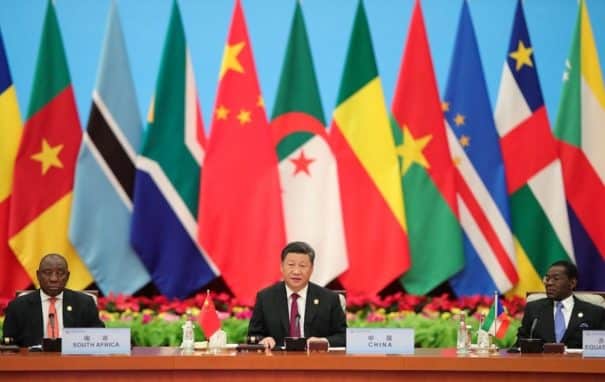
Over the past decade, China has established itself as the leading trading partner of the CEMAC zone (Cameroun, Centrafrique, Congo, Gabon, Guinée équatoriale, Tchad), driven by its purchases of oil and sales of manufactured goods. The first half of 2026 confirms this large-scale dynamic. According to Chinese customs, cited by Financial Afrik, the volume of trade between Pékin and the six CEMAC states reached 5,925.9 billion FCFA, or approximately $10.2 billion. This trade generates a net surplus close to $2 billion in favor of the regional bloc, driven essentially by oil exports from Congo, Gabon, Tchad, and Guinée équatoriale. This aggregated surplus primarily benefits the oil-producing states, while Cameroun and Centrafrique, lacking comparable oil revenues, massively import Chinese equipment and manufactured goods, although the source does not detail their specific bilateral balance. This result illustrates the structurally unequal nature of the partnership: the overall performance masks a persistent dependence on hydrocarbons for some, a potential deficit for others, and a common exposure to the volatility of global oil prices, with no local transformation or visible industrial diversification at this stage.
📖 Full article available in French → [CEMAC : un excédent commercial de 10,2 milliards USD avec la Chine qui cache des fractures internes](/article/649ad5ae-652f-4f4f-879c-7f3cca99ac80)
Source : Financial Afrik
Lire l'article original ↗À lire également
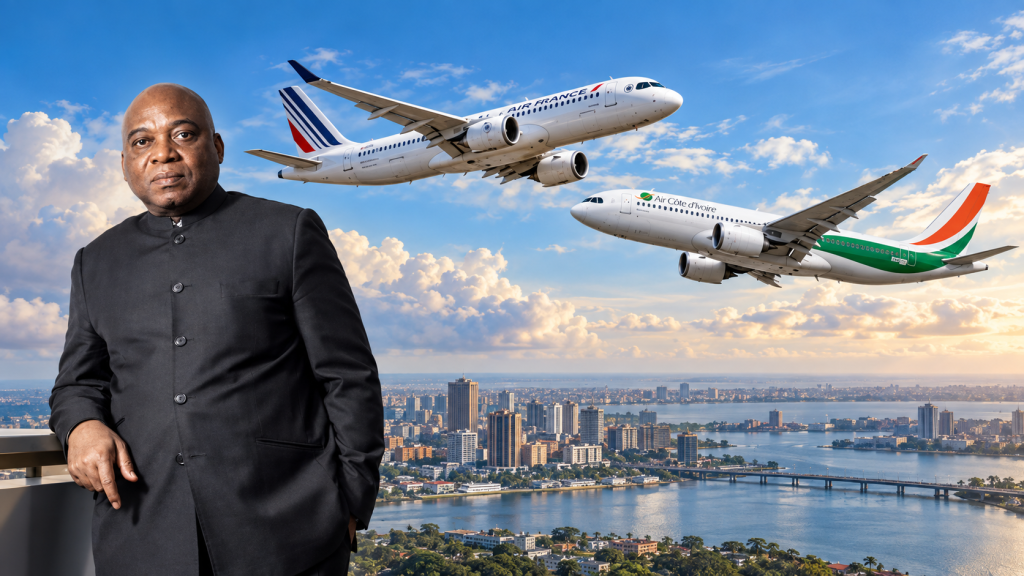
Côte d'Ivoire : Air France, actionnaire et concurrente d'Air Côte d'Ivoire, un paradoxe dénoncé par Ahoua Don Mello
Air Côte d'Ivoire a vu ses fréquences hebdomadaires sur la liaison Abidjan-Paris passer de sept à huit à compter du 29 mars 2026, contre 21 fréquences hebdomadaires cumulées…
Lire la suite
CEA : l'institution plaide pour une fiscalité des TIC mieux calibrée pour booster le numérique africain
La Commission économique pour l'Afrique (CEA) a réuni 144 participants issus de 46 pays, dont 34 pays africains et 12 pays d'autres régions, lors d'un atelier en ligne tenu le 17…
Lire la suite