Malawi: MP Nyamilandu urges government to explain stalled stadiums
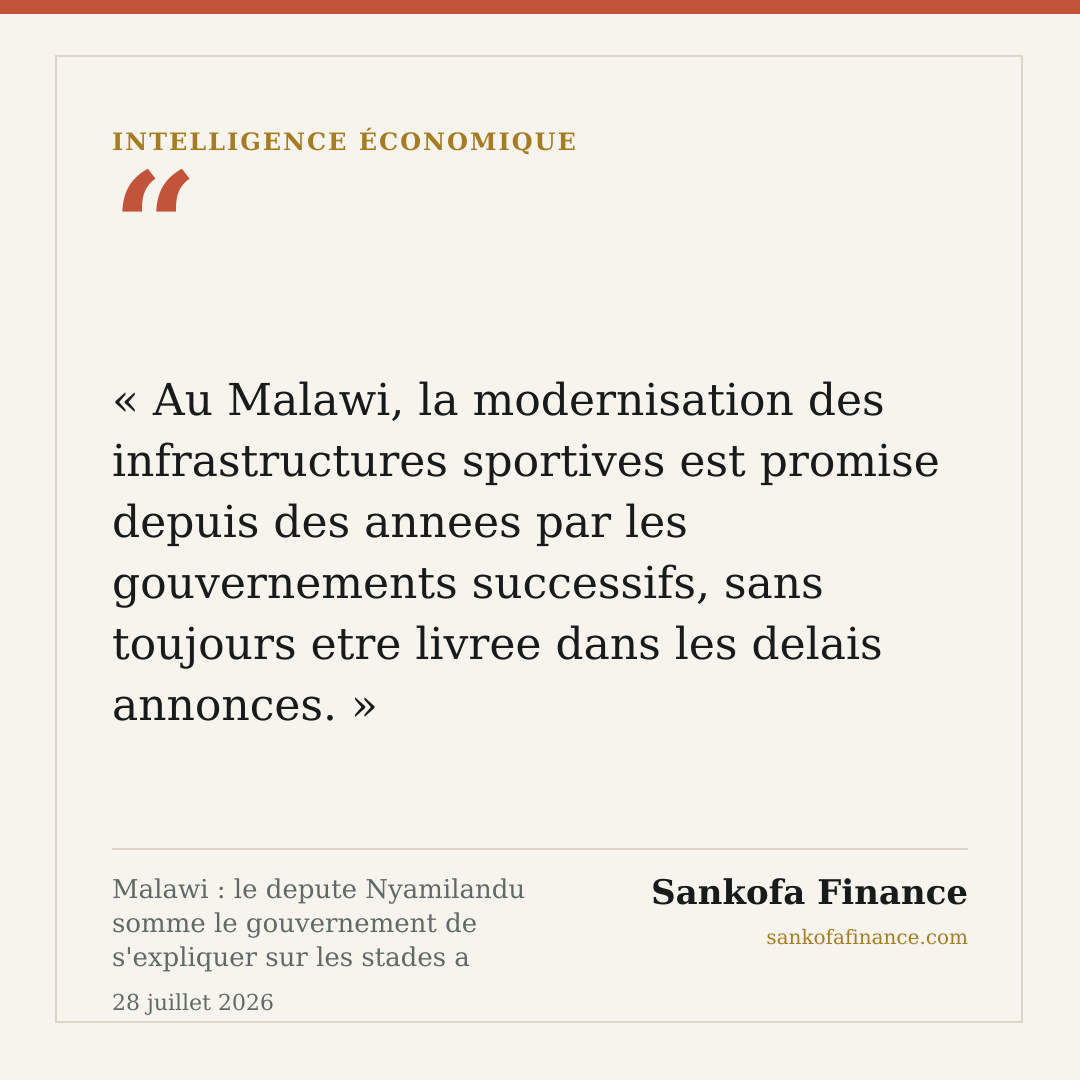
In Malawi, the modernization of sports infrastructure has been promised for years by successive governments, yet is rarely delivered on schedule. This recurring issue resurfaced on Monday in the National Assembly, reigniting lawmakers' frustration over executive inertia. According to Nyasa Times, Nsanje South West MP Walter Nyamilandu questioned the government on the progress of a series of stadium projects facing prolonged delays. Faced with his questions, the ministers present deferred any substantive response, while the source did not specify their identities, the sites concerned, or the amounts invested. This deadlock is far from trivial: halted construction deprives local clubs and athletes of adequate facilities, freezes public funds already committed, and undermines the government's credibility among citizens and donors. From an analytical standpoint, this episode illustrates a classic public project governance issue in Southern Africa: the gap between political announcements and budgetary execution capacity. Without additional data on costs, timelines, or administrative officials, it remains impossible to determine whether the delay is due to financing constraints, administrative sluggishness, or internal political trade-offs.
Sankofa Finance
📖 Full article available in French → [Malawi : le depute Nyamilandu somme le gouvernement de s'expliquer sur les stades a l'arret](/article/5f176eff-4f6c-4b59-8c76-51925d18d97b)
Source : AllAfrica (Nyasa Times)
Lire l'article original ↗À lire également
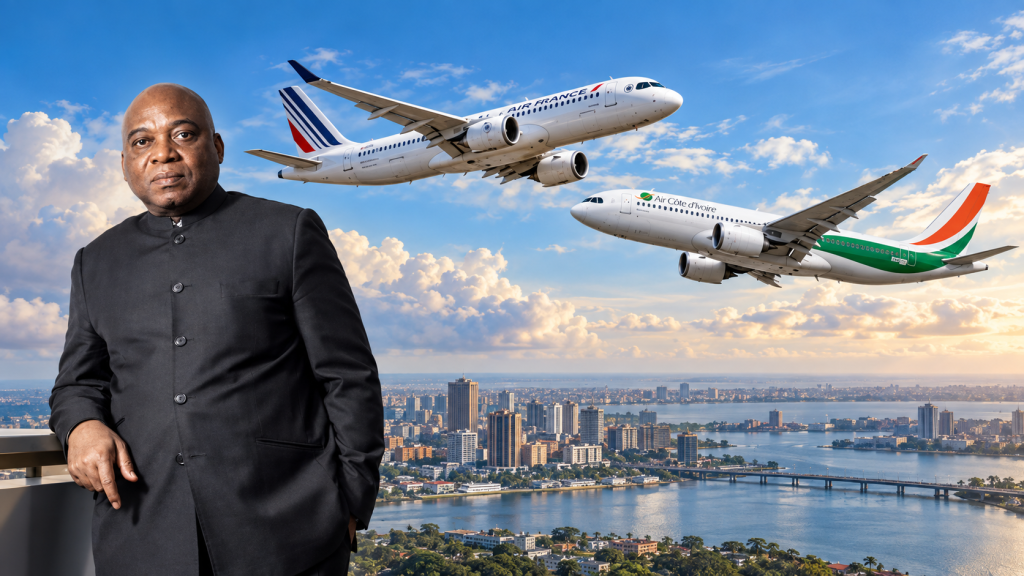
Côte d'Ivoire : Air France, actionnaire et concurrente d'Air Côte d'Ivoire, un paradoxe dénoncé par Ahoua Don Mello
Air Côte d'Ivoire a vu ses fréquences hebdomadaires sur la liaison Abidjan-Paris passer de sept à huit à compter du 29 mars 2026, contre 21 fréquences hebdomadaires cumulées…
Lire la suite
CEA : l'institution plaide pour une fiscalité des TIC mieux calibrée pour booster le numérique africain
La Commission économique pour l'Afrique (CEA) a réuni 144 participants issus de 46 pays, dont 34 pays africains et 12 pays d'autres régions, lors d'un atelier en ligne tenu le 17…
Lire la suite