Mozambique: Chapo lays foundation stone for future National Surgical Center
Mozambique, like several Southern African countries, suffers from a deficit in specialized surgical capacity, forcing many patients to be evacuated abroad for complex procedures—an expensive practice in foreign currency and inaccessible to the majority of the population. It is against this backdrop that President Daniel Chapo laid the foundation stone for the future National Surgical Center on Monday. According to the AIM agency reported by AllAfrica, this "strategic facility" aims to "strengthen the country's capacity in specialized surgeries and reduce the need to transfer patients abroad." The source specifies neither the budget, bed capacity, delivery schedule, nor financial partners—details yet to be confirmed by the authorities. For patients, this center promises easier access to advanced care without the costs of medical evacuations. For the State, it is a matter of foreign exchange savings and health sovereignty. This project is part of a continental trend in hospital investment aimed at retaining locally the demand for tertiary care currently captured by South Africa, India, or the Emirates. It remains to be seen whether Maputo, facing constrained public finances, will be able to fully finance this project and ensure its future operation.

Chad de Lange
📖 Full article available in French → [Mozambique : Chapo pose la première pierre du futur Centre chirurgical national](/article/e3383301-18d1-448b-8618-661f25580f13)
Source : AllAfrica
Lire l'article original ↗À lire également
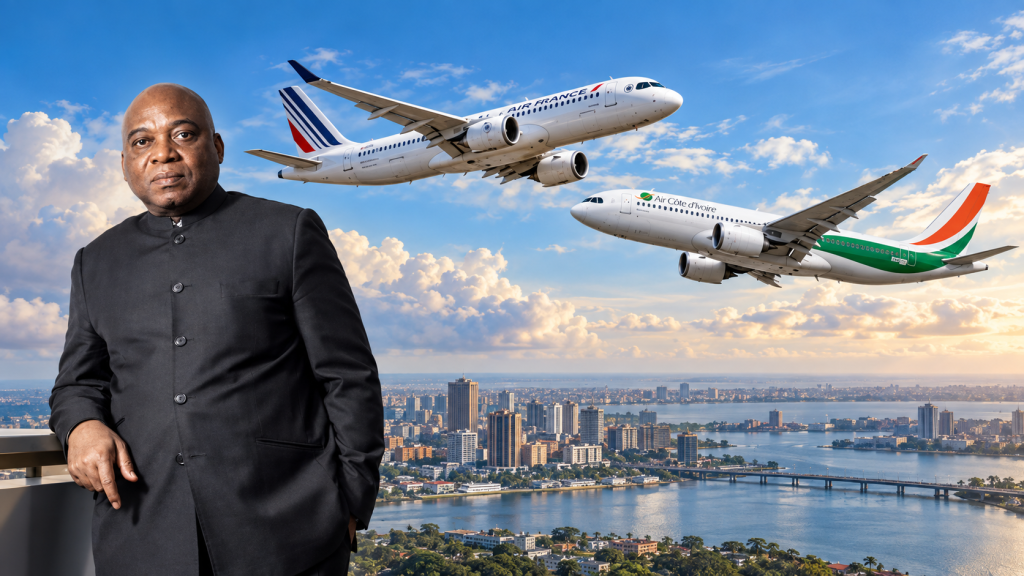
Côte d'Ivoire : Air France, actionnaire et concurrente d'Air Côte d'Ivoire, un paradoxe dénoncé par Ahoua Don Mello
Air Côte d'Ivoire a vu ses fréquences hebdomadaires sur la liaison Abidjan-Paris passer de sept à huit à compter du 29 mars 2026, contre 21 fréquences hebdomadaires cumulées…
Lire la suite
CEA : l'institution plaide pour une fiscalité des TIC mieux calibrée pour booster le numérique africain
La Commission économique pour l'Afrique (CEA) a réuni 144 participants issus de 46 pays, dont 34 pays africains et 12 pays d'autres régions, lors d'un atelier en ligne tenu le 17…
Lire la suite