Egypt: Emirates NBD acquires HSBC's retail banking business
The Egyptian banking sector is undergoing a restructuring phase following the devaluation of the Egyptian pound and the agreement reached with the IMF, which has paved the way for increased foreign investment, particularly from the Gulf. In this context, Emirati banks, driven by financial surpluses and regional expansion strategies, are multiplying acquisitions in North Africa. According to Financial Afrik, Emirates NBD, one of the UAE's leading banking groups, has reportedly announced the acquisition of HSBC's retail banking business in Egypt. The source content, reserved for subscribers, specifies neither the transaction amount, its completion timeline, nor official statements from the executives involved. For HSBC, this divestment is reportedly part of a refocus on its priority markets, following similar withdrawals observed elsewhere in the world. For Emirates NBD, the transaction would strengthen its presence in a market of over 100 million inhabitants, undergoing a strong economic recovery post-currency crisis. This operation illustrates the repositioning of Western banks vis-à-vis African emerging markets, in favor of regional Gulf players. Lacking financial details, several questions remain open: the transaction amount, the fate of employees, and the regulatory timeline.

Omar Abozeid
📖 Full article available in French → [Égypte : Emirates NBD rachète l'activité de banque de détail de HSBC](/article/dd10bb13-24ee-458b-9949-7cc7dba4900b)
Source : Financial Afrik
Lire l'article original ↗À lire également
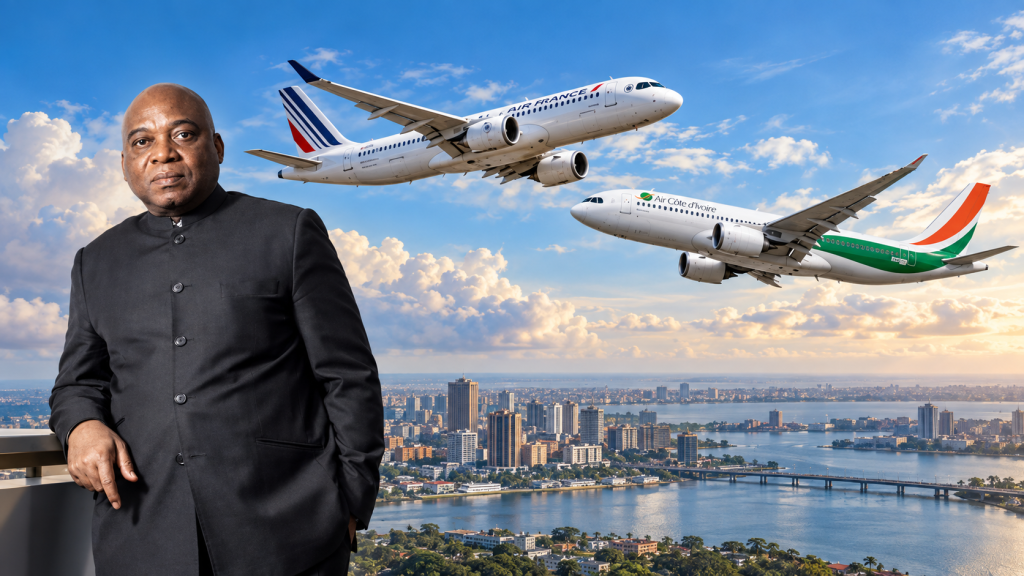
Côte d'Ivoire : Air France, actionnaire et concurrente d'Air Côte d'Ivoire, un paradoxe dénoncé par Ahoua Don Mello
Air Côte d'Ivoire a vu ses fréquences hebdomadaires sur la liaison Abidjan-Paris passer de sept à huit à compter du 29 mars 2026, contre 21 fréquences hebdomadaires cumulées…
Lire la suite
CEA : l'institution plaide pour une fiscalité des TIC mieux calibrée pour booster le numérique africain
La Commission économique pour l'Afrique (CEA) a réuni 144 participants issus de 46 pays, dont 34 pays africains et 12 pays d'autres régions, lors d'un atelier en ligne tenu le 17…
Lire la suite