Nigeria: Navy Recovers 85,000 Liters of Stolen Petroleum Products in the Niger Delta
The Niger Delta, the heart of Nigeria's oil industry, has been the scene of systemic crude theft and illegal artisanal refining ("kpo-fire") for over two decades, depriving the federal government of billions of dollars annually and degrading the environment of local communities. This operation comes as Nigeria, under the presidency of Bola Tinubu, seeks to boost its production to meet its OPEC quota. According to Vanguard, cited by AllAfrica on August 6, 2026, the Nigerian Navy has disabled two illegal refining sites and dismantled a clandestine network reactivated in the Niger Delta, recovering 85,000 litres of stolen petroleum products. The source does not specify the exact location, the date of the operation, or the military officials involved. Every stolen barrel represents a loss of revenue for NNPC Ltd and the federal treasury, while artisanal refining pollutes soils and waterways, fueling community tensions. This action is a continuation of "Opération Delta Safe" (since 2016), the effectiveness of which remains debated: regular seizures show the persistence of the phenomenon, a sign that military repression alone does not solve the structural causes—local poverty, corruption, weak state presence.

Vitalis Nwenyi
📖 Full article available in French → [Nigeria : la Marine récupère 85 000 litres de produits pétroliers volés dans le Delta du Niger](/article/9ccdcab6-3ae9-4f11-804d-4a9f60789349)
Source : AllAfrica (Vanguard)
Lire l'article original ↗À lire également
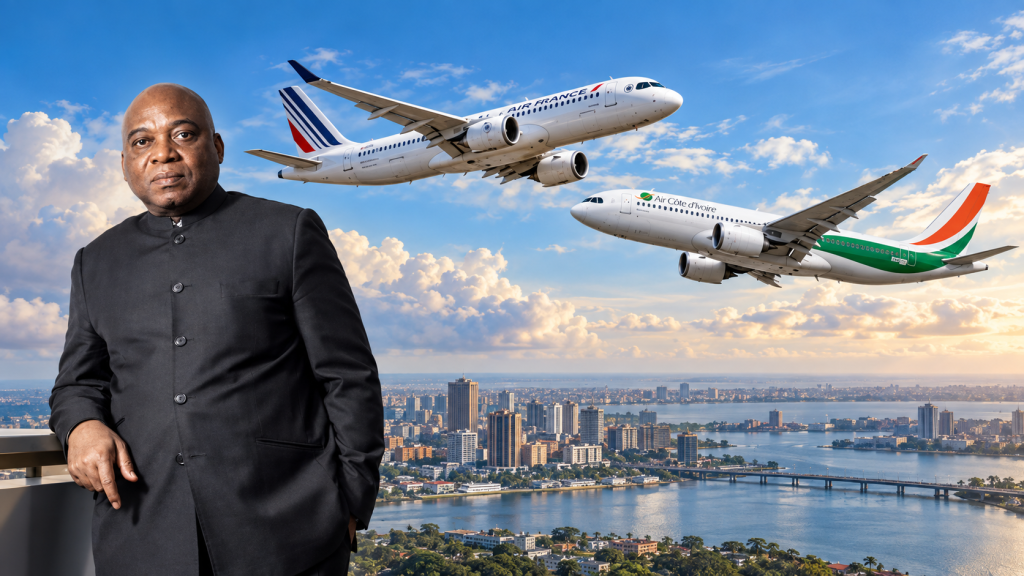
Côte d'Ivoire : Air France, actionnaire et concurrente d'Air Côte d'Ivoire, un paradoxe dénoncé par Ahoua Don Mello
Air Côte d'Ivoire a vu ses fréquences hebdomadaires sur la liaison Abidjan-Paris passer de sept à huit à compter du 29 mars 2026, contre 21 fréquences hebdomadaires cumulées…
Lire la suite
CEA : l'institution plaide pour une fiscalité des TIC mieux calibrée pour booster le numérique africain
La Commission économique pour l'Afrique (CEA) a réuni 144 participants issus de 46 pays, dont 34 pays africains et 12 pays d'autres régions, lors d'un atelier en ligne tenu le 17…
Lire la suite